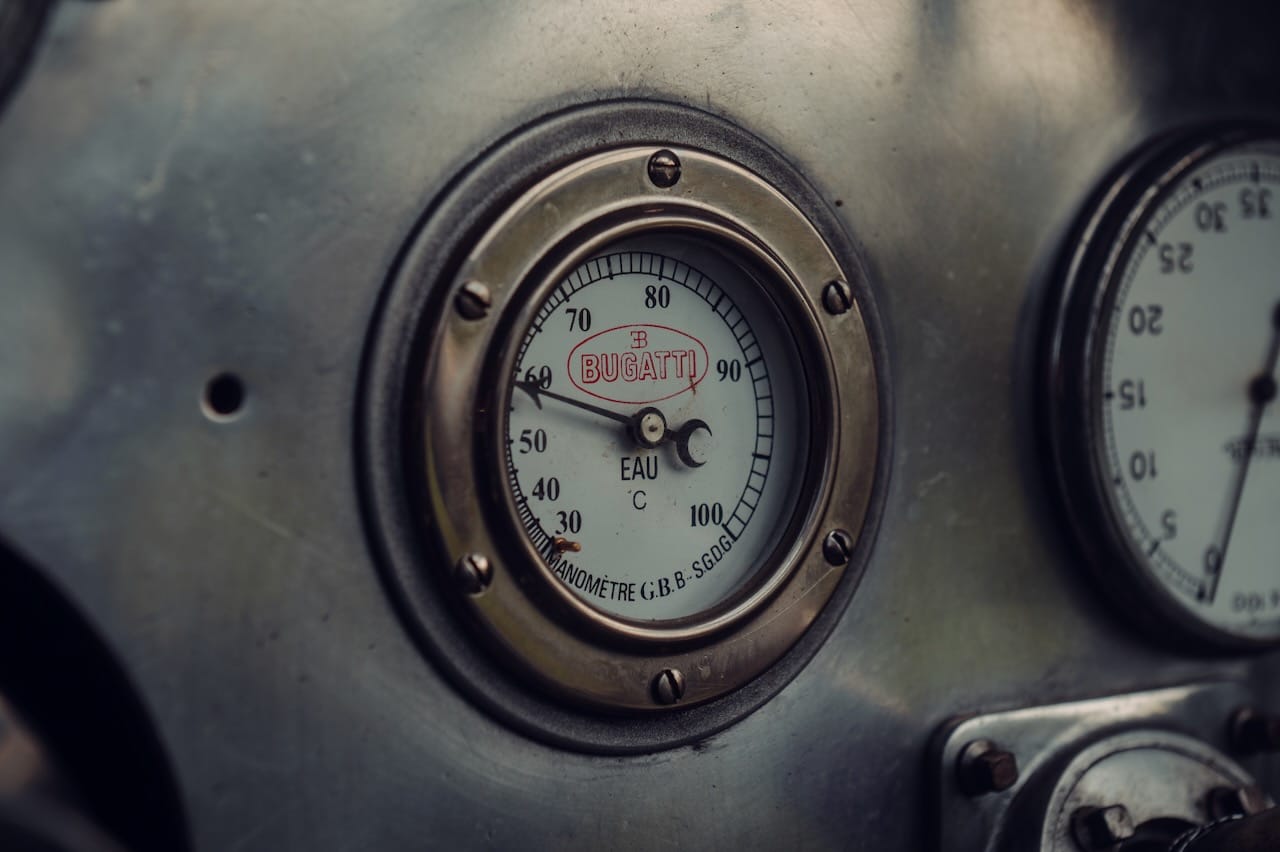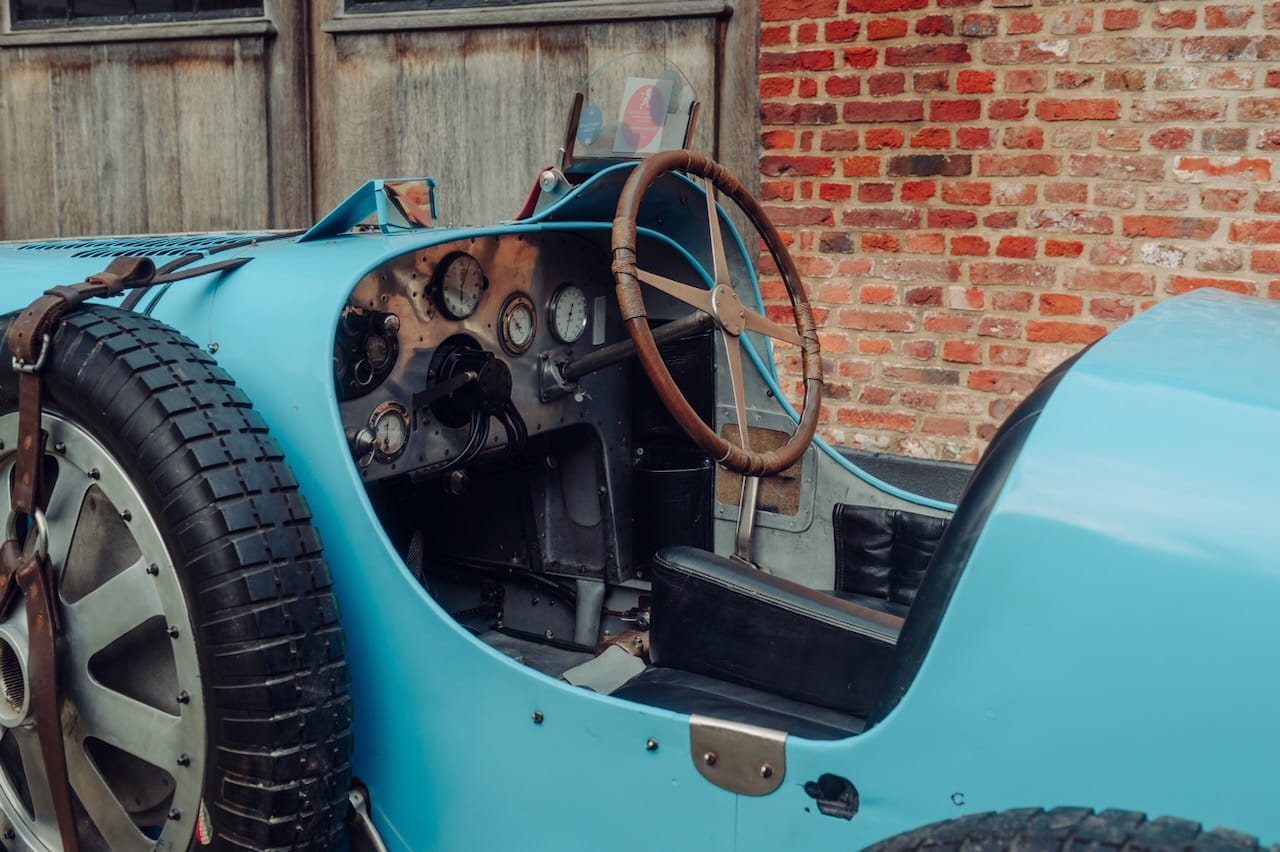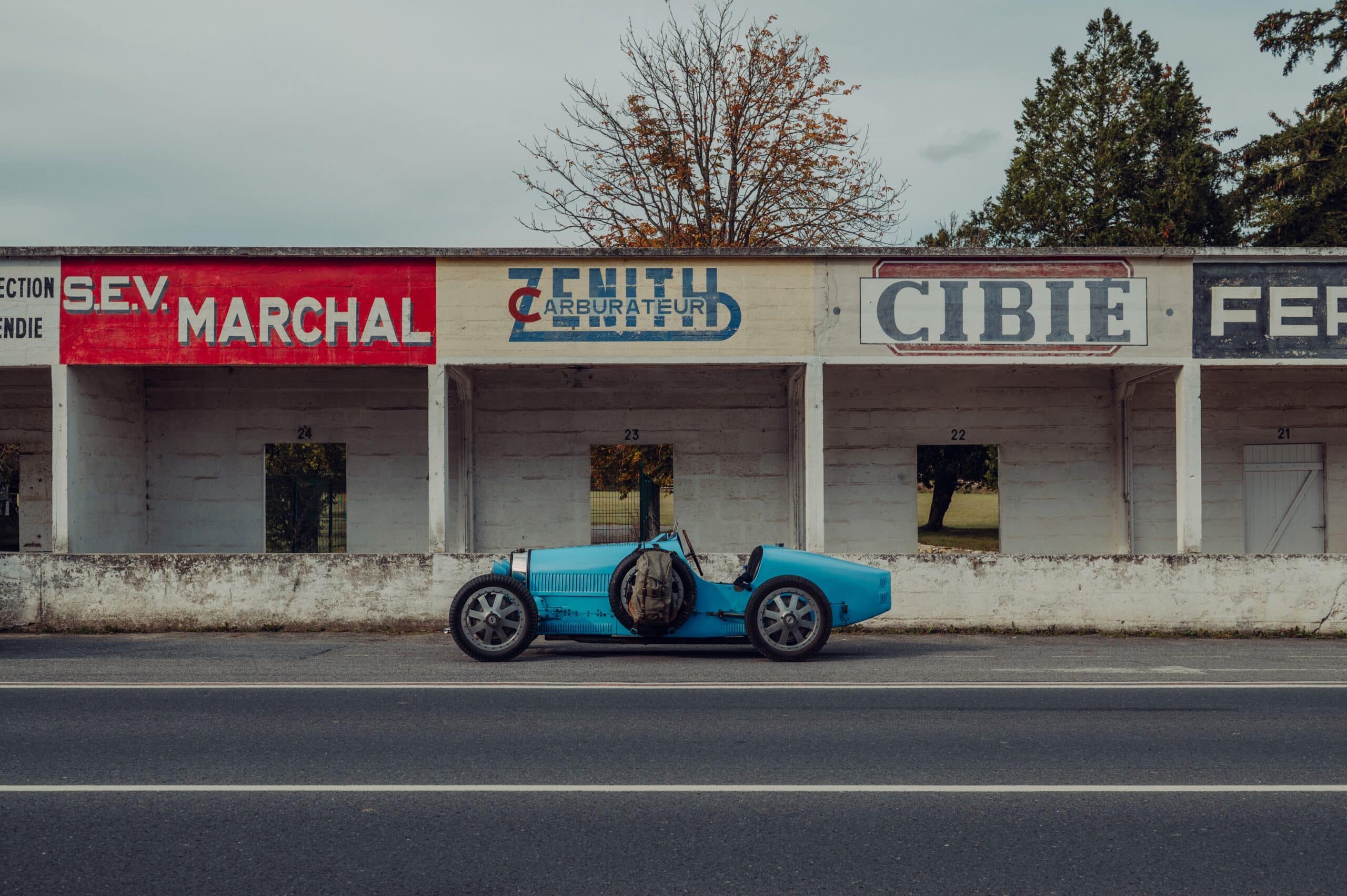


- Matching numbers Original body Traceable individual history from the beginning, without interruption Important in period racing history In impeccable condition. £180k recently spent Eligible for the world’s premier events. Successfully completed the Mille Miglia twice, in 2024 and 2026
- Price on Application
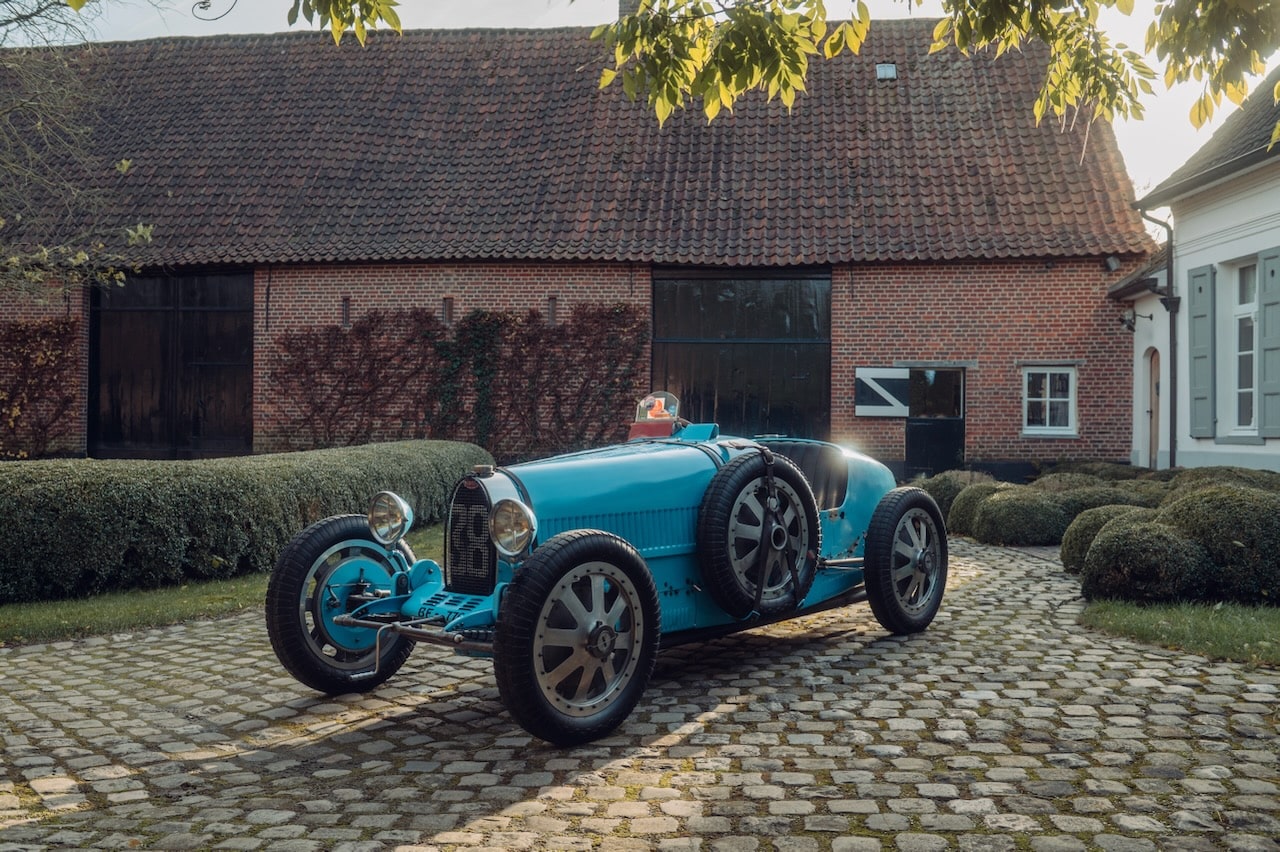
The Bugatti Type 35A is an iconic French sports car from the 1920s and a specific, more accessible variant of the legendary Bugatti Type 35 Grand Prix race car.
Ettore Bugatti introduced this model in May 1925 for customers who wanted the stunning looks of the Grand Prix car but were looking for a less complex and more affordable machine for street use and amateur racing.
The car was nicknamed “Tecla,” after a well-known manufacturer of high-quality imitation jewelry at the time.
Key Features and Differences
Although the Type 35A looks virtually identical to the standard Type 35 on the outside, it differs significantly mechanically to reduce production costs and maintenance:
- Simpler engine block: The Type 35A uses a naturally aspirated 2.0-liter (1991 cc) inline-eight engine. Whereas the full-blooded racing version had a complex crankshaft with five roller and ball bearings, the 35A was equipped with a simpler crankshaft featuring three main bearings (borrowed from the Type 30).
- Power: The engine delivers approximately 70 to 80 pk (compared to 90 pk for the standard Type 35). This allows the car to reach a top speed of approximately
145 km/h. - Ignition: Instead of a complex racing magneto ignition system, the Type 35A is equipped with a standard coil and battery ignition system, which made starting and daily use easier.
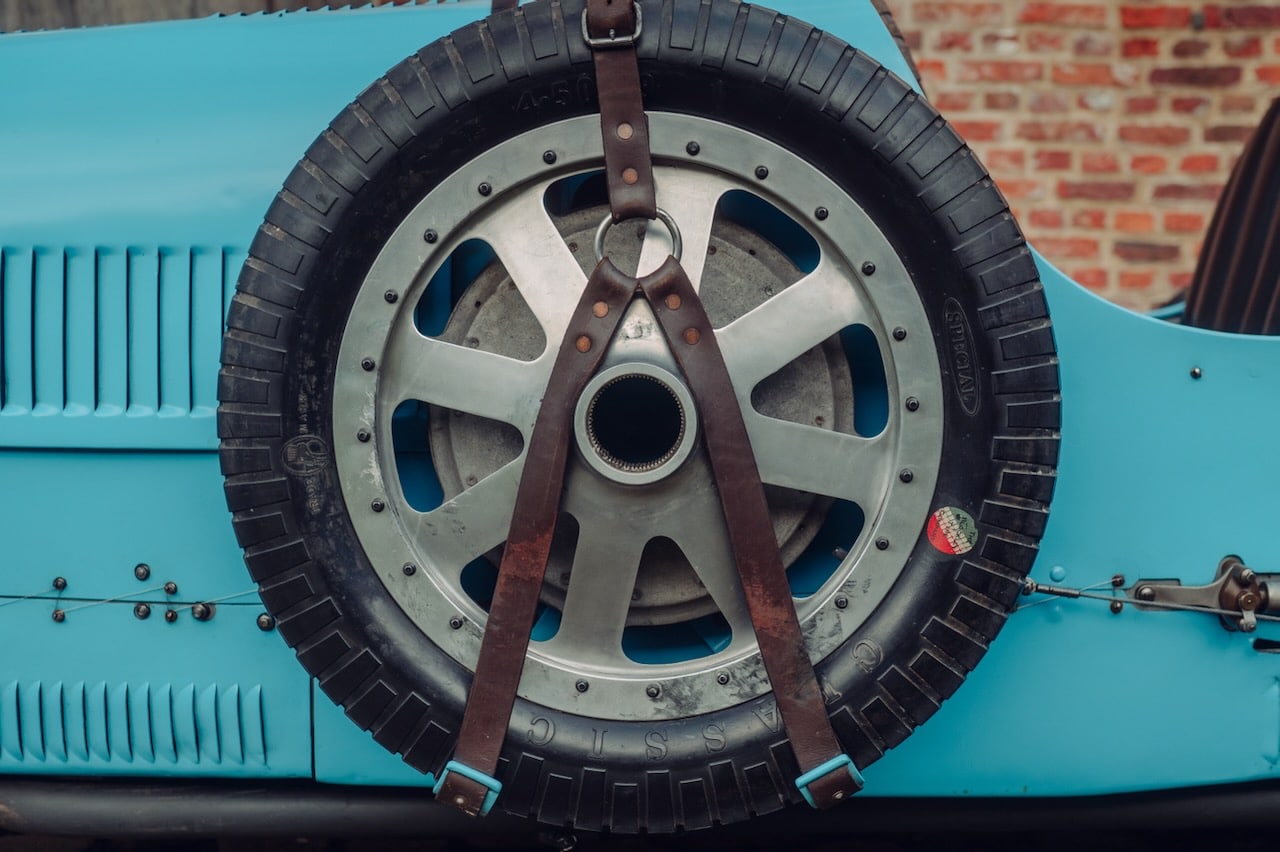
- Wheels: The Type 35 is known for its revolutionary cast aluminum rims with integrated brake drums. The Type 35A, on the other hand, came standard with wire wheels.
Performance & Specifications
- Production: period1925 – 1929
- Engine: 2.0L (1991 cc) Inline-8, SOHC, 24-valve
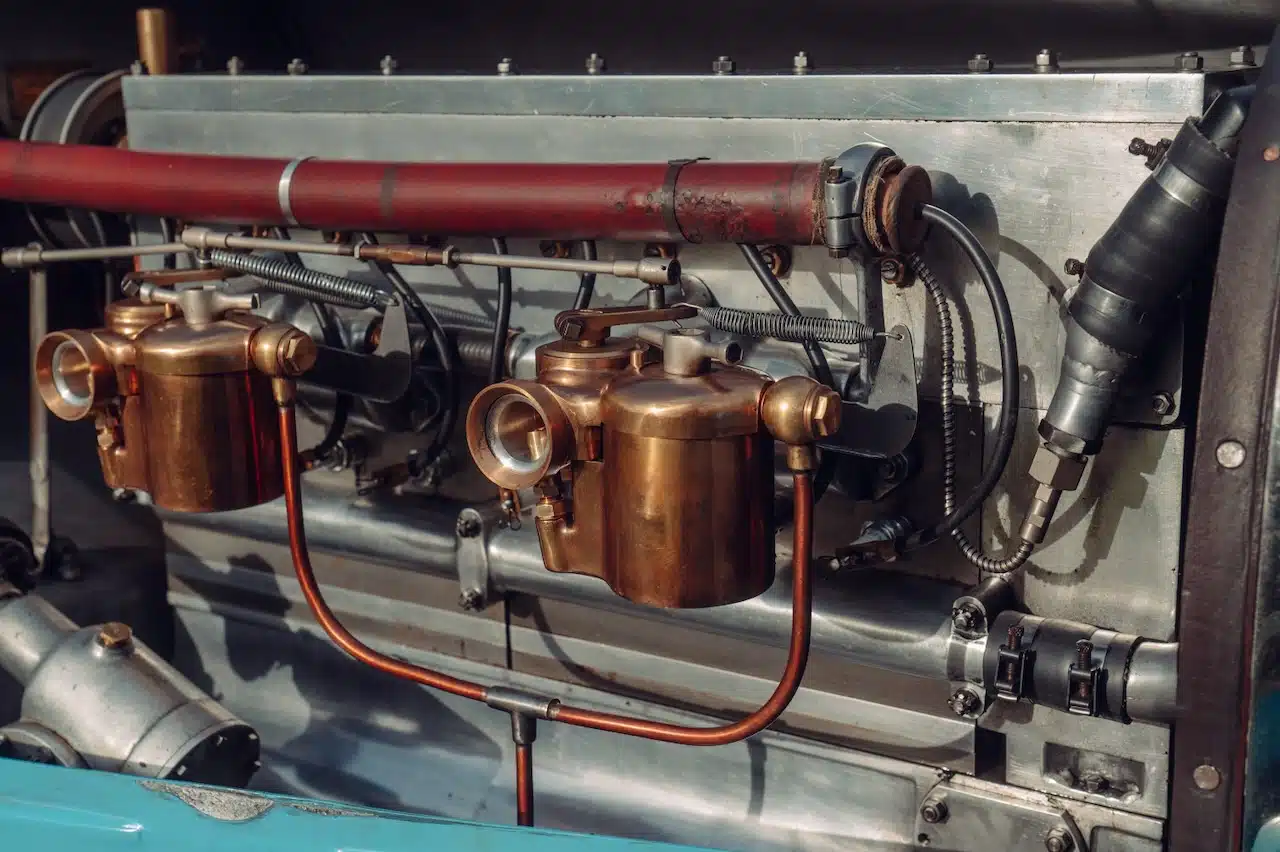
- Fuel system:2 Solex carburettors
- Transmission:4-speed manual gearbox
- Weight Approx: 650 – 750 kg
- Historical significance: Although it was marketed as a ‘touring car’, the Type 35A was still used extensively by many owners in hill climbs and local races. Around 130 were built at the time.
About chassis 4716:
The Bugatti T35A chassis 4716 was produced in December 1925 at the Bugatti factory in Molsheim. On 22 January 1926, Bugatti Paris ordered a total of 8 Bugatti T35As. These (chassis 4702 and 4713–4719) were delivered on 17 February 1926.
Each car was invoiced at 51,000 French francs. Its history is known from the beginning; it was first registered in Paris with the following registration number: 6917X5.The next owner Robert Cadet bought the car in June 1929. He entered the car in a few races.
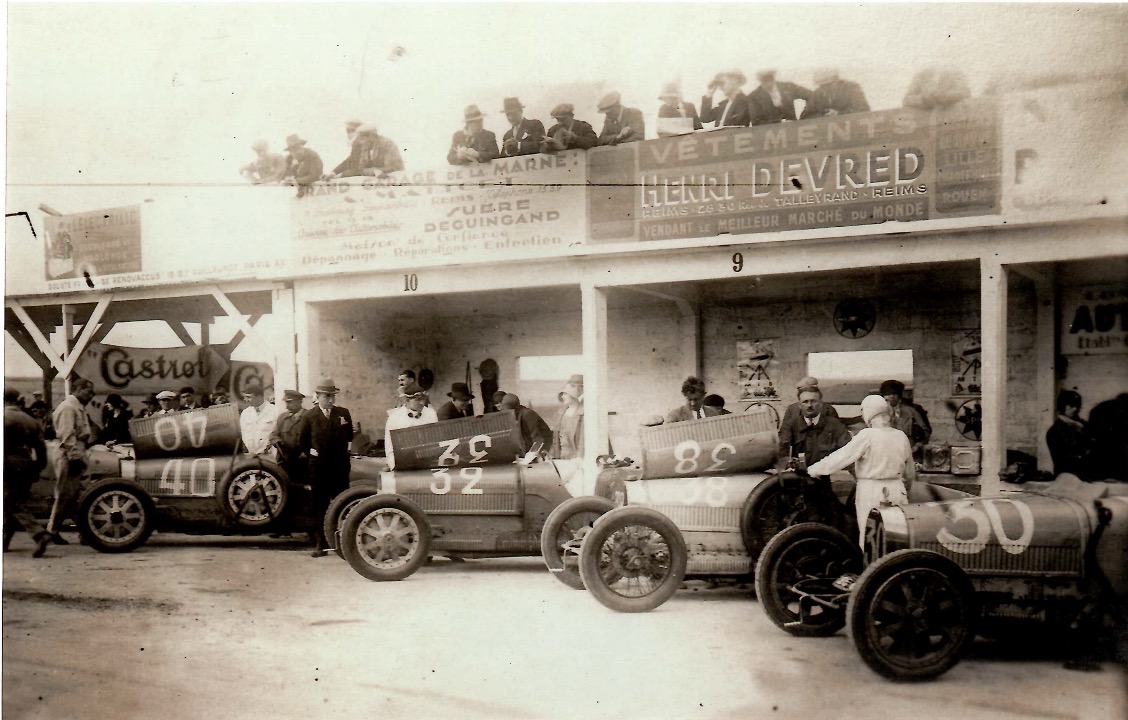
The most important races in which he competed were the Grand Prix Automobiles de Lyon on the 16th of June 1929 & the Grand Prix de la Marne (Reims) with race number 38 on the 7th July 1929. He finished 6th in both races! Cadet sold the car to Eugène Gavillon in March 1932.
The car remained in France until 1965, when it was moved to Switzerland to Georges Filipinetti, who ran a racing team and a car museum. Following Filipinetta’s death, it returned to its homeland to the renowned collector Abert Prost. There it was kept in excellent company, alongside, amongst others, a Bugatti Type 46 Vanvooren, a Type 57 Ventoux, an Atalante, an Isotta Fraschini 8A, a Hispano 54 CV and Ferraris, including a 250 LM and a 250 TDF.
Following Prost’s death, the car returned to Switzerland to Karel Van de Velde. Karel had the car restored by Tula Engineering in the UK in late 2012. The restoration was completed in 2015. The car remained in England with Michael Timms.
In December 2022, the Belgian collector Filip Baert purchased the car. However, he was not satisfied with the quality of the paintwork and had the car completely stripped and repainted in cellulose paint. He also had the car mechanically overhauled (including an engine overhaul) by the English specialist Gentry. All of this is documented on invoices totalling 178,000 pounds. Baert had previously owned a pre-war Invicta S-type low chassis (Scout) and a Bugatti T37A.
The story goes that one of his closest friends pointed out to him that an 8-cylinder car would be a better fit for his collection. And that friend was right. The roar of an 8-cylinder Bugatti gives you goosebumps and a thrill that puts a smile on your face every single second. In 2024, he drove more than 3,500 trouble-free kilometres in the car, including the Mille Miglia.
The current owner’s dream was to drive the Mille Miglia in a Bugatti T35. And that dream came true this year.
Conclusion from the specialist/ Bugatti historian:
David Sewell:
A grand total of 139 examples of the Bugatti T35A model were produced. From this grand total 54 examples are known to have survived to the present day of which only 35 including this example have retained their original engines.
Although approximately half of these surviving cars are believed to have also retained most if not all of their original bodywork. Only five, including this particular example are known to have their individual body numbers stamped inside their body!
Pierre-Yves Laugier:
In my opinion the car chassis 4716 is one of the 10 if not one of the 5 most original cars of the type 35A model!
Our conclusion:
If you’re looking for one of the most authentic Bugatti T35A cars, this is a unique opportunity.